Santa Socks - 3d Papercraft Review
When I first opened the file for Santa Socks - 3d Papercraft, I didn't just see a Christmas icon; I saw a specific kind of texture that is notoriously difficult to replicate in thread. As a designer who spends hours evaluating digital assets for real-world production, my initial reaction was cautious curiosity. The concept of a papercraft aesthetic translated into machine embroidery is a high-stakes gamble. If executed poorly, it looks flat and muddy. If done right, it offers a tactile, dimensional appeal that stands out against standard satin stitch designs.
This review isn't about marketing fluff or generic praise. It is a practical breakdown of how this design performs when moved from a computer screen to a hoop, a stabilizer, and finally, a finished product ready for an Etsy shop or a client's closet. We need to talk about whether Santa Socks - 3d Papercraft actually delivers on its promise of depth and how it fits into the broader landscape of holiday embroidery projects.
The First Impression: Mood and Visual Personality
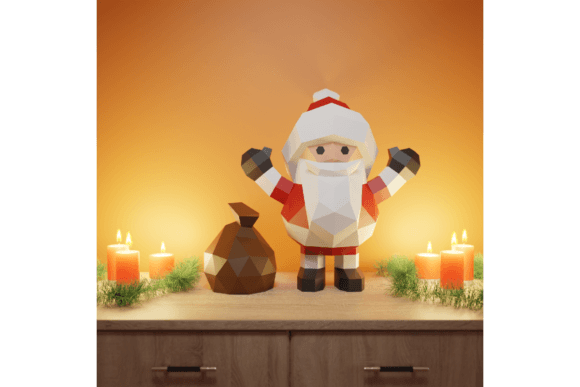
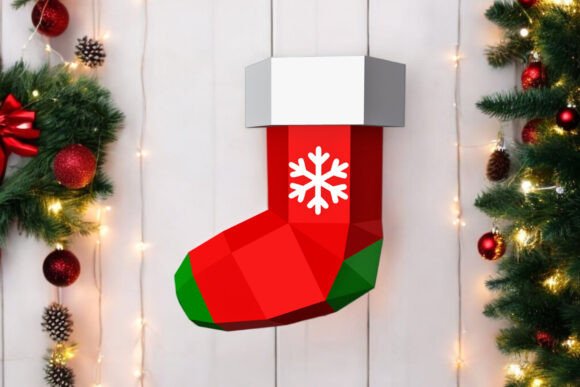
The immediate visual hook of Santa Socks - 3d Papercraft is its playful geometry. Unlike traditional Santa imagery which often relies on heavy fill stitches to create volume, this design leans into the illusion of folded paper. It creates a mood that is nostalgic yet modern, perfect for the "handmade" aesthetic that dominates current craft markets. The layout feels balanced, with enough negative space to allow the stitching to breathe without overwhelming the garment.
For a small business owner or Etsy seller, this distinction matters. A standard Santa face can feel generic after years of saturation. This papercraft angle suggests creativity and effort, which aligns perfectly with brands selling personalized gifts or boutique apparel. It signals to the buyer that the item is unique, not mass-produced. However, the success of this mood depends entirely on the execution of the stitch types. Does the design utilize satin stitch effectively to mimic crisp paper edges, or does it rely too heavily on fill stitch which might blur the sharp lines?
Real-World Application: From Screen to Stitch
Let's imagine a scenario. You are preparing inventory for the upcoming holiday season. You have decided to launch a line of custom embroidered tote bags and kitchen towels featuring festive motifs. You pull up Santa Socks - 3d Papercraft as your centerpiece. The question is: will it hold up under the rigors of daily use and frequent washing?
In practice, this design shines on stable fabrics like canvas, denim, and heavy cotton twill. When applied to a tote bag, the papercraft style adds a graphic punch that complements the utilitarian nature of the bag. It doesn't look out of place; instead, it elevates a simple accessory into a statement piece. Similarly, for baby items like onesies or bibs, the soft, rounded edges of the papercraft socks offer a gentler look than harsh, angular traditional designs.
However, the design also demands respect when placed on curved surfaces like caps or sweatshirts. While the motif itself is relatively compact, the illusion of depth requires precise placement. If the hoop distorts the fabric even slightly during stitching, the "folded" look can collapse, making the socks appear distorted rather than three-dimensional. For commercial embroidery projects where consistency is key, this requires a steady hand and perhaps a specialized hoop setup to maintain tension.
Where to Be Careful: Fabric and Hoop Limitations
Not every surface is a friend to Santa Socks - 3d Papercraft. There are specific scenarios where this design should be used with extreme caution. Thin, stretchy fabrics like lightweight jersey or silk blends can cause the design to pucker, destroying the clean lines essential for the papercraft effect. In these cases, the density of the stitches might overwhelm the material, leading to a lumpy finish that reduces the perceived value of the final product.
Dense stitch areas are another potential pitfall. If the design includes intricate details in the folds of the socks, testing on scrap fabric is non-negotiable. On dark fabrics, the contrast can be tricky. Without careful selection of thread colors, the shadows and highlights intended to create the 3D effect might disappear into the background. Always test your color combinations before committing to a full run of products.
Furthermore, if you are planning to sell finished items, consider the durability of the design. Products that require frequent washing, such as aprons or children's clothing, need robust stabilization. A design that relies on delicate running stitch accents might fray over time if not anchored properly. Ensure you are using the correct type of stabilizer to support the weight of the threads, especially if the design features large fill stitch sections.
Impact on Product Value and Brand Perception
The choice of design directly influences customer trust and brand consistency. Santa Socks - 3d Papercraft carries a sense of professionalism because it attempts something visually complex. When a customer sees a well-executed papercraft design on a pillow cover or a holiday gift, they perceive higher quality. It suggests that the maker put thought into the details, which justifies a higher price point.
Conversely, a failed execution can damage credibility. If the "papercraft" illusion fails due to poor digitizing or incorrect settings, the result looks messy rather than artistic. This is why reviewing the stitch density and checking small details is crucial. A professional-looking embroidery project enhances the entire brand identity, making it more memorable for repeat buyers.
For digital product sellers creating printable mockups, this design offers excellent versatility. It can be showcased on various backgrounds to demonstrate how it would look on different materials, helping potential buyers visualize the end result. Whether you are listing a tote bag design or a sweatshirt embroidery option, the visual clarity of Santa Socks - 3d Papercraft helps drive engagement by clearly communicating the unique style.
Practical Designer Notes for Success
Before you hit the start button on your machine, there are several steps to ensure Santa Socks - 3d Papercraft delivers the desired outcome. First and foremost, always test the design on scrap fabric that matches your target material. This allows you to assess how the stitch density interacts with the fabric grain and whether the hoop size is sufficient to capture all the details without cutting off edges.
Check your thread colors carefully. The papercraft effect relies on contrast between light and shadow. Using a monochromatic palette might flatten the image, while strategic color choices can enhance the depth. Also, verify the licensing terms before using the design for commercial purposes. Some digital embroidery files restrict the number of finished items you can sell, so confirm these details to avoid legal issues.
If you are working on a tight deadline, remember that complex designs may take longer to stitch. Plan your production schedule accordingly to avoid bottlenecks. Finally, inspect the finished product for loose threads or puckering. A quick trim and steam press can make a significant difference in the final presentation, ensuring that your handmade product looks polished and ready for gifting.
Ultimately, Santa Socks - 3d Papercraft is a strong candidate for designers looking to add a touch of whimsy and dimension to their holiday collections. By understanding its strengths and limitations, you can leverage its unique aesthetic to create standout pieces that resonate with customers and elevate your craft business.