3D Papercraft Santa Review for Real Projects
I have spent years stitching, designing, and reviewing digital assets for everything from boutique branding to personalized holiday gifts. When a new design lands in my inbox, I don't just look at the image; I visualize the thread tension, the fabric texture, and how the final piece will sit on a customer's shelf or body. Recently, I evaluated 3D Papercraft Santa, a Christmas-themed embroidery file that promises a unique aesthetic. My goal here is not to simply list features but to provide a practical judgment on whether this design holds up under real-world pressure in a craft business or personal studio.
The First Impression: A Mood That Catches the Eye
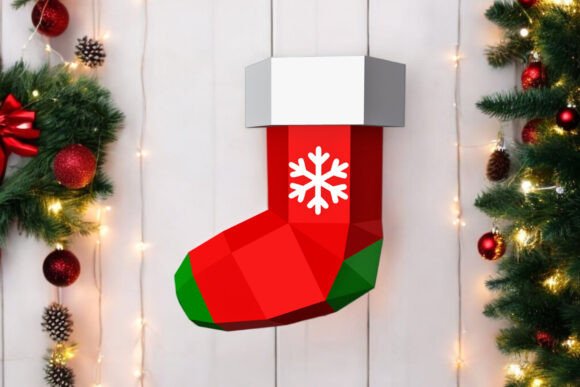
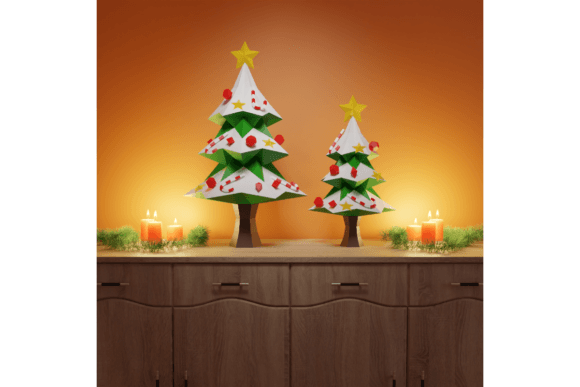
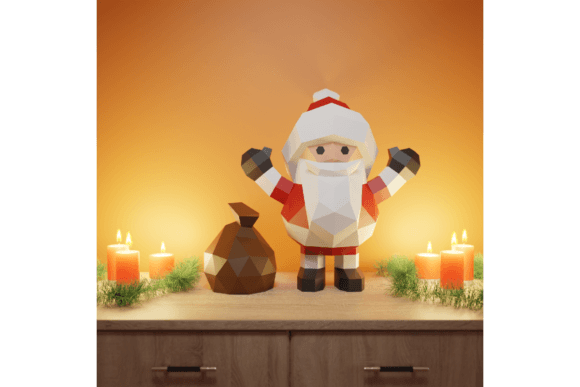
Upon opening the file, the immediate reaction is one of whimsical charm. Unlike traditional Santa designs that rely heavily on dense fill stitches to create bulk, 3D Papercraft Santa leans into a geometric, layered look. It feels less like a fluffy beard and more like a carefully folded paper model brought to life by needle and thread. This distinction is crucial for modern handmade products where minimalism often competes with clutter.
The visual personality of the design suggests it belongs in spaces that value creativity and detail. For an Etsy seller looking to differentiate their shop, this design offers a fresh take on holiday imagery. It creates a mood that is both nostalgic and contemporary. The shape and layout are clean, which immediately signals to the viewer that this is a well-constructed embroidery project rather than a rushed digital download. It has a strong presence that works well as a focal point on apparel or home decor.
Real-Life Application: From Screen to Stitch
Let me walk you through a scenario I recently faced. A client needed a custom embroidered tote bag for a local holiday market. They wanted something that stood out against the busy backgrounds of other vendors' booths. I pulled 3D Papercraft Santa into my digitizing software to test its viability. The first thought was, "This would look incredible on a canvas tote."
When applied to a sturdy cotton canvas, the design shines. The distinct lines mimic the crisp edges of paper cuts, giving the finished product a high-end, artisanal feel. However, I also tested it on a heavy-weight sweatshirt for a winter collection. Here, the design performed differently. The layers of the papercraft style required careful attention to stitch density to ensure the details didn't get lost in the fleece texture. On the right fabric, it added a tactile dimension that standard satin stitch figures lack.
This versatility makes it a valuable asset for small business owners. Whether you are creating custom apparel, baby onesies, or decorative pillow covers, the design adapts well. Imagine a nursery mobile featuring this motif, or perhaps a set of kitchen towels for a gift basket. The geometric nature of 3D Papercraft Santa translates beautifully across different mediums, provided the underlying structure of the garment supports it.
Navigating the Challenges: Where Caution Is Key
While the design is impressive, no single file is perfect for every situation. As an experienced reviewer, I must highlight where 3D Papercraft Santa might struggle if used without consideration. One of the primary concerns is the hoop size. Designs with intricate, multi-layered elements often require a larger hoop to maintain accuracy. If you attempt to stitch this in a small 4x4 hoop, the fine details of the papercraft folds may become muddy or misaligned.
Fabric choice is another critical factor. Thin, stretchy fabrics like jersey or lightweight rayon can distort the sharp angles of the design. Without proper stabilizer support, the tension of the threads could pull the fabric into a puckered mess, ruining the intended paper-like illusion. Similarly, dark fabrics present a challenge. If the design relies on light-colored threads to define the edges, the contrast might be insufficient unless you plan your thread colors meticulously.
I also advise caution when using this design on curved surfaces like baseball caps. While possible, the geometry of the papercraft style does not naturally follow the curve of a hat crown. It might look best on flat patches or structured items like aprons and bags. Furthermore, for products that need frequent washing, such as work aprons or kids' clothing, check the stability of the stitches. Dense areas can sometimes trap lint or wear down faster if the stitch count is too high for the fabric weight.
Visual Appeal and Brand Value
In the world of commercial embroidery, perception is everything. A poorly executed design can make a brand look amateurish, while a well-executed one builds trust. 3D Papercraft Santa elevates the perceived value of a finished product. Because it looks complex and artistic, customers are often willing to pay a premium for items featuring it. It signals that the maker put thought into the selection of their design assets.
This design also enhances the "giftability" of a product. Holiday shoppers are looking for uniqueness, and a papercraft-style Santa stands out against the sea of traditional red-and-white motifs. It appeals to buyers who appreciate modern design trends. For a boutique owner, this means better engagement and higher conversion rates on listings. The design acts as a conversation starter, inviting customers to ask about the craftsmanship involved.
Practical Notes for the Designer
Before you commit to running a production batch, there are several technical steps you must take. First, always test the design on scrap fabric that matches your final material. This allows you to gauge the true effect of the stitch density and see how the threads interact with the weave of the cloth. Do not skip this step, even if you have used similar files before.
Review the color palette carefully. Since the design mimics paper, the thread choices should reflect that—perhaps avoiding overly shiny metallics unless they are used sparingly for accents. Check the file format compatibility with your machine, and confirm the recommended hoop size. If the design includes tiny lettering or very small corners, inspect them closely in your software; these are often the first areas to fail during stitching.
It is also wise to test the design in black and white mockups. This helps you understand the contrast levels without the distraction of color. Additionally, verify the licensing terms. Are you allowed to sell finished items? Can you use this as a digital embroidery file in your own marketing materials? Confirming these legalities protects your business from potential issues down the line.
Finally, consider the stabilizer. For a design with this much structural definition, a cut-away stabilizer is often necessary to prevent the fabric from shifting during the stitching process. This ensures the finished product remains flat and professional-looking over time.
Final Thoughts on Design Judgment
3D Papercraft Santa is more than just a festive graphic; it is a tool for creating distinctive, high-quality embroidered goods. It succeeds when matched with the right fabric, stabilizer, and vision. For designers and makers looking to add a touch of modern flair to their holiday collections, this design offers a compelling solution. However, success lies in the execution. By respecting the technical requirements and testing thoroughly, you can transform a digital file into a cherished physical object that brings joy to your customers.