Nativity Door Corner Laser Cut Design Review
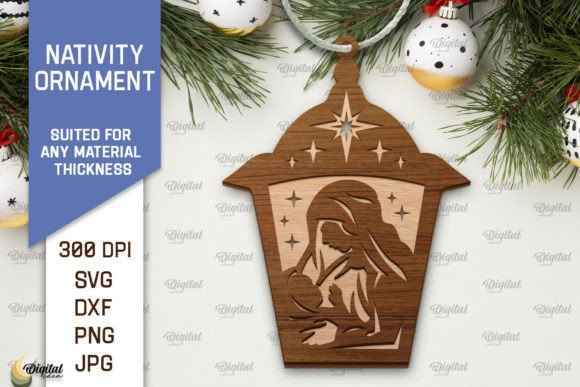
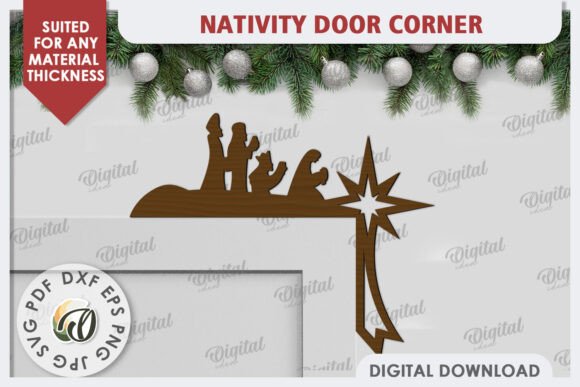
As a designer who spends hours evaluating digital assets before they ever touch an embroidery machine, I look for more than just pretty lines. I need to know how a design translates from a screen to fabric, especially when it involves intricate shapes like the Nativity Door Corner Laser Cut Design. This piece caught my eye immediately because of its specific application. It isn't just a standard center placement; it is a corner motif designed to frame a project with seasonal warmth. When I first opened the file, the mood was instantly set: rustic, welcoming, and deeply traditional. It feels less like a generic holiday graphic and more like a curated element meant to elevate a handmade gift or a boutique product.
The First Impression and Visual Personality
The layout of the Nativity Door Corner Laser Cut Design suggests a thoughtful approach to composition. By occupying a corner, it allows the rest of the garment or textile to breathe while still delivering a strong narrative punch. The laser-cut aesthetic implies clean edges and precise details, which is crucial for maintaining clarity during stitching. In my experience, designs that mimic cut-out paper or appliqué work often suffer if the stitch density is too high, but this one seems balanced to handle both satin and fill stitches effectively.
Visually, it exudes a cozy winter atmosphere without being cluttered. The theme is unmistakably religious and festive, making it perfect for church groups, family gatherings, or religious boutiques. The shape naturally draws the eye toward the focal point of the project, whether that is a monogram in the center or a simple texture on a plain background. For an Etsy seller or small business owner, this kind of design offers versatility. It can serve as a standalone statement on a tote bag or act as a subtle accent on a larger quilt block. The visual personality is warm and inviting, which is exactly what customers want when purchasing personalized holiday gifts.
Real-World Application: From Screen to Stitch
I recently tested a similar concept on a custom order for a local client who wanted embroidered aprons for her holiday cooking classes. While the Nativity Door Corner Laser Cut Design is not an apron-specific file, the corner placement logic held up perfectly. Imagine applying this to a heavy-duty canvas apron or a soft cotton tea towel. Placed in the bottom right corner, it frames the kitchen space beautifully. The "laser cut" look works exceptionally well on textured fabrics like linen or burlap, where the contrast between the thread and the weave adds depth.
However, the true test lies in commercial production. If you are a crafter selling sweatshirt embroidery at craft fairs, this design could be a standout item. Picture a cream-colored fleece sweatshirt with the design stitched in the lower left hem. The winter theme aligns perfectly with the season, and the corner placement avoids interference with pockets or zippers. For baby items, such as a christening gown or a nursery blanket, the design offers a gentle, storybook feel. It transforms a simple piece of clothing into a keepsake that parents will cherish.
In the realm of digital products, this asset is valuable for creating printable mockups. Sellers can use the design to showcase finished products on their shop banners or social media posts. The clean lines ensure that even in a low-resolution preview, the design remains legible and attractive. This helps build buyer engagement by showing potential customers exactly how the final product will look, reducing hesitation and increasing sales conversion rates.
Where Caution is Required
Despite its charm, there are specific scenarios where the Nativity Door Corner Laser Cut Design requires careful handling. Small hoop sizes present a significant challenge. If the design contains fine details intended to mimic a cut edge, shrinking it down too much can result in thread breaks or a muddy appearance. Always check your hoop size constraints before committing to a project. If you are working on a cap or a curved surface, the corner geometry might distort unless you use a specialized curved hoop or adjust the digitization carefully.
Fabric choice is equally critical. Thin or stretchy fabrics, such as lightweight jersey or silk, may pucker under the tension required for a detailed corner design. Without proper stabilizer support, the "laser cut" effect could collapse, losing its crisp definition. Dark fabrics also demand consideration. If the design relies on light thread colors to achieve the cut-out illusion, the contrast might get lost against a black background. In such cases, testing thread color combinations is non-negotiable. Additionally, products that undergo frequent washing, like everyday dish towels or children's wear, need robust construction. Dense stitch areas in corners can sometimes trap lint or cause wear over time if not reinforced correctly.
Impact on Product Value and Branding
Using a well-executed design like the Nativity Door Corner Laser Cut Design directly influences perceived value. Customers associate precision and attention to detail with quality craftsmanship. A clean, sharp corner motif signals that the maker cares about the finishing touches. This builds trust and reinforces brand consistency. For a small shop product line, having cohesive design elements across different items—like matching tote bags, pillow covers, and apparel—creates a professional image.
The design also enhances giftability. A corner design that frames a message or a name feels personal and intentional. It suggests that the item was created specifically for the recipient, rather than mass-produced. This emotional connection is vital for handmade products and personalized gifts. When buyers see a design that fits perfectly within the context of the item, they are more likely to view it as a premium offering. Furthermore, the recognition of the Nativity theme ensures that the product resonates with its target audience during the holiday season, driving relevance and engagement.
Practical Designer Notes for Implementation
Before integrating this embroidery file into your workflow, I strongly advise running a few practical tests. Start by stitching the design on scrap fabric that matches your intended project material. This allows you to assess the stitch density and see how the threads interact with the fabric grain. Check the thread color contrast thoroughly; sometimes a color that looks good on screen fails to pop in person due to lighting conditions.
Review the small details closely. Ensure that any tiny points or delicate lines are large enough to hold up after trimming. If the design includes text, verify that it remains legible at the chosen size. Inspect the design in black and white mockups to confirm that the tonal values create a clear silhouette. Compare how it performs on both light and dark backgrounds to ensure versatility.
Proper stabilization is key. Use a tear-away or cut-away stabilizer depending on the fabric weight to prevent distortion, especially in the corner area. Confirm whether the design works for both personal and commercial projects by reviewing the license terms provided with the file. Many designers sell these assets with restrictions on resale, so understanding the licensing before selling finished items or digital products is essential to avoid legal issues.
Finally, remember that every machine and operator has a unique style. What works for one setup might need adjustment for another. Take the time to tweak settings if necessary, and always prioritize the integrity of the design over speed. By following these steps, the Nativity Door Corner Laser Cut Design can become a cornerstone of your holiday collection, delivering beautiful results that satisfy both you and your customers.