Standing Christmas Tree Laser Cut File: A Designer's Real-World Review
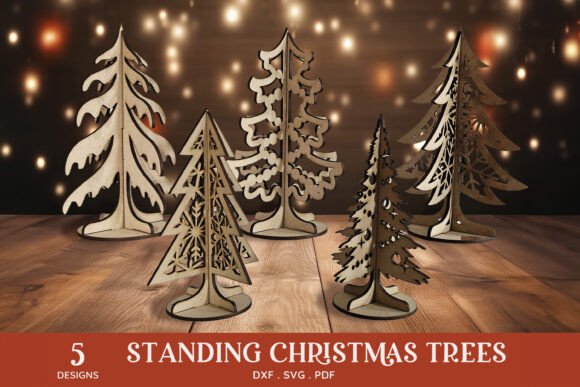
As someone who has spent years stitching custom apparel and reviewing digital assets for the handmade market, I have seen countless designs that look perfect on a screen but fail miserably in the hoop. When I first encountered the Standing Christmas Tree Laser Cut File, my initial reaction was one of cautious optimism. The name suggests a specific silhouette, likely meant to stand upright rather than hang as an ornament, which immediately sets a different mood than standard flat embroidery patterns. This design feels like it belongs in a winter collection, fitting perfectly into the Winter Amp category where seasonal cheer meets practical crafting.
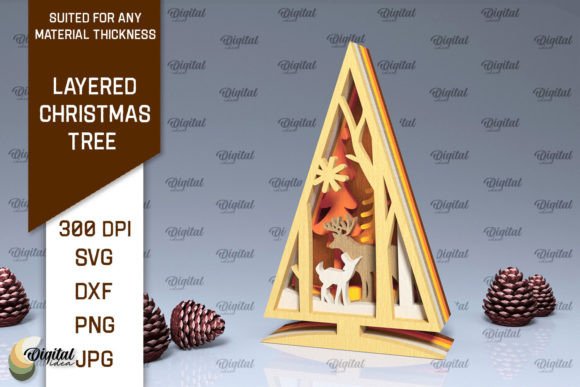
The first impression of this file is crucial because it dictates how the final product will be perceived by your customers. Visually, the standing tree shape offers a clean, vertical line that works exceptionally well on structured items. It creates a sense of stability and tradition, making it an ideal choice for holiday gifts or boutique branding. Unlike busy, complex scenes that can get lost in heavy stitching, this design relies on its form. It promises a crisp outline that translates well from a digital preview to a physical embroidered patch or tote bag design. For an Etsy seller looking to add a touch of rustic charm to their shop, this asset provides a solid foundation without overwhelming the fabric texture.
I recently put this embroidery file to the test during a real project scenario: creating a line of personalized holiday aprons for a local craft fair. The goal was to produce high-quality custom apparel that could withstand frequent washing while still looking professional. I selected a heavy-duty cotton canvas for the aprons and decided to use the Standing Christmas Tree Laser Cut File as the central motif. My thought process centered on whether the laser-cut aesthetic would hold up when converted into machine stitches.
The results were promising. Because the design features a defined structure, the satin stitch along the edges gave the tree a raised, dimensional look that mimicked the precision of a cut-out piece. On the dark navy canvas, using bright white thread with green accents, the contrast was striking. Customers at the fair immediately noticed the clean lines, and many asked if the design was actually laser-cut onto the fabric before being stitched. That illusion of detail is exactly what makes this design asset valuable for commercial projects. It elevates the perceived value of the finished product, making a handmade item feel more polished and intentional.
However, not every application is suitable for this specific design. As an experienced reviewer, I must highlight where caution is necessary. If you are planning to use this machine embroidery design on small hoop sizes, such as those used for cap embroidery or baby onesies, you need to evaluate the scale carefully. The "standing" aspect implies height, which might crowd a small curved surface like a baseball cap front panel. On curved surfaces, the straight vertical lines of the tree can sometimes distort, losing the geometric integrity that makes the design so appealing. Similarly, on stretchy fabrics like thin t-shirts, the density of the fill stitches required to create the body of the tree could cause puckering if the correct stabilizer is not used.
Another area to consider is fabric texture. While this design shines on smooth, tightly woven materials like twill or canvas, it might struggle on highly textured fabrics like chunky knits or bouclé. The fine details of the branches or any intricate internal elements could get lost in the weave of the cloth. Furthermore, if you are aiming for a personalized gift that involves tiny lettering alongside the tree, ensure that the spacing allows for legibility. Dense stitch areas around the base of the tree can make adding small text difficult without compromising the overall balance of the composition.
For those running a craft business or selling small shop products, the versatility of the Standing Christmas Tree Laser Cut File is a significant advantage. It transitions seamlessly from a standalone embroidered patch to a decorative accent on a pillow cover or a kitchen towel. In the context of holiday embroidery, it serves as a focal point that ties a collection together. Whether you are creating a set of matching napkins for a wedding gift or a batch of tote bags for a corporate holiday party, this design adds a cohesive visual identity. It signals to the buyer that the creator paid attention to detail, fostering trust and encouraging repeat purchases.
To get the best out of this file, there are several practical steps every designer should take before committing to a full production run. First and foremost, always test the design on scrap fabric that matches your intended final material. This step reveals how the thread colors interact with the specific weave of your fabric and helps you adjust tension settings. I recommend checking the stitch density; if the fill is too heavy, it may create a stiff, board-like feel on garments like sweatshirts, whereas a lighter density might look better on delicate items like baby clothes.
Inspecting the small details is another critical phase. Zoom in on the digital file to ensure that no corners are too sharp or too fragile to stitch reliably. Sometimes, laser-cut inspired files have tiny points that can break or snag during the embroidery process. Running a black-and-white mockup of the design can also help you visualize the negative space and ensure the silhouette remains clear even without color. Comparing light and dark fabric backgrounds will show you how much contrast is needed to maintain visibility.
Licensing is a non-negotiable aspect for anyone selling finished goods. Before incorporating the Standing Christmas Tree Laser Cut File into your inventory, confirm the terms regarding commercial use. Are you allowed to sell the physical embroidered items? Can you include this digital embroidery file in a bundle of design assets? These questions determine the profitability of your project. If the license restricts commercial sales, you can still use it for personal gifts or charity events, which are equally meaningful ways to utilize creative work.
In conclusion, the Standing Christmas Tree Laser Cut File stands out as a versatile and visually strong option for designers seeking to enhance their holiday collections. Its ability to mimic a precise cut-out while maintaining the warmth of hand-stitched aesthetics makes it a favorite for both hobbyists and professional decorators. By understanding its strengths on structured fabrics and its limitations on stretchy or textured materials, you can avoid common pitfalls and deliver high-quality finished products. Whether you are updating your Etsy listings or preparing for a busy season of commercial embroidery, this design offers a reliable path to creating memorable, festive items that customers will cherish.