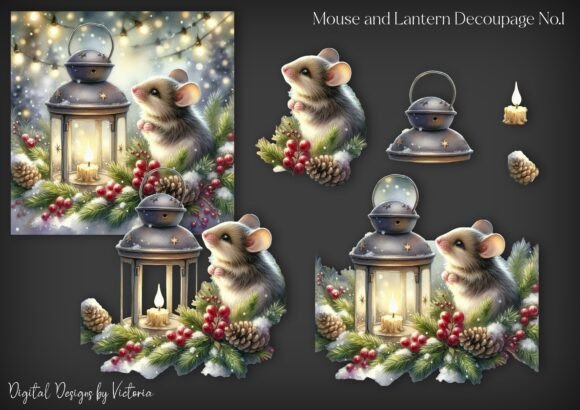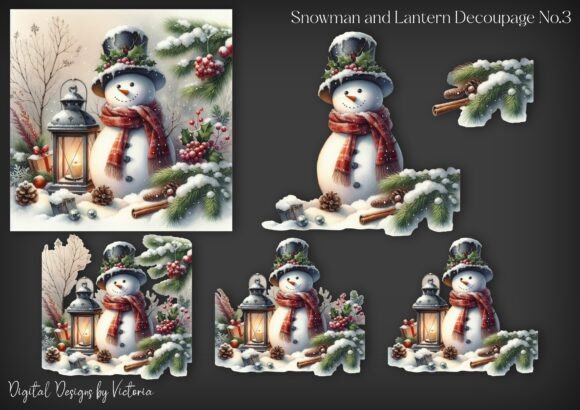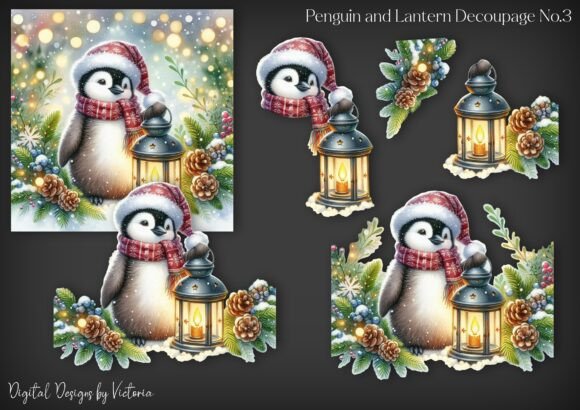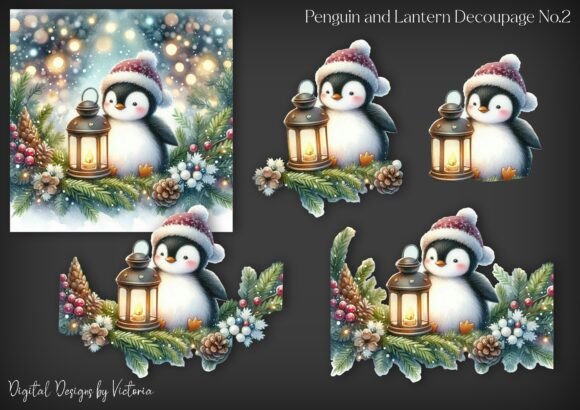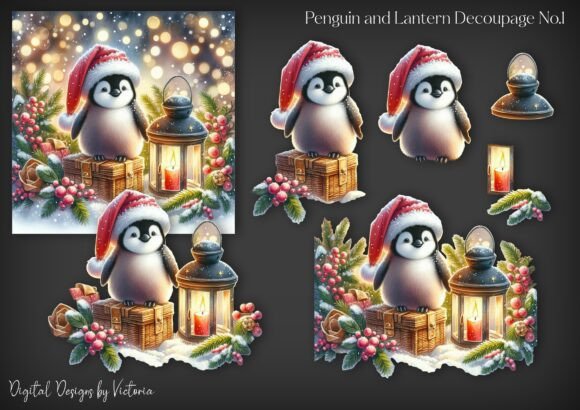
Penguin and Lantern Decoupage No.1 Review for Real Embroidery
As a designer who has spent years turning digital files into tangible, stitched masterpieces, I approach every new download with a mix of excitement and skepticism. There is nothing worse than loading a file only to find it falls apart under the needle or looks muddy on the finished product. Recently, I pulled up Penguin and Lantern Decoupage No.1 with the intention of using it in a series of holiday-themed tote bags for my small shop. My goal was to see if this piece could stand out in a crowded market while maintaining the professional quality my customers expect.
The moment I opened the design file, the mood was instantly set. Unlike many generic animal motifs that feel stiff or cartoonish, Penguin and Lantern Decoupage No.1 carries a whimsical yet sophisticated atmosphere. The composition suggests a quiet winter evening, blending the charm of a penguin with the warm glow of a lantern. This specific aesthetic makes it an excellent candidate for cozy home goods, personalized gifts, and boutique apparel. It feels less like a simple clipart and more like a curated illustration ready for stitching.
Real-World Application: From Screen to Stitch
When evaluating a design for actual production, I always visualize the final item before running a single stitch. For Penguin and Lantern Decoupage No.1, my first thought was a heavy-duty canvas tote bag. The layout of the design, which likely features a central focal point surrounded by decorative elements, fits perfectly on the front panel of a standard tote. The lantern element offers a natural opportunity for color contrast, perhaps using golden yellows or deep oranges against the cool blues and blacks of the penguin figure.
I also considered this design for baby items, such as a onesie or a soft blanket. The subject matter is universally appealing, and the "decoupage" style implies a layered look that can be achieved through careful thread selection. However, placing this on a curved surface like a cap requires a different strategy. The design needs to sit comfortably within the hoop without distortion. If the file includes dense fill stitches, a structured cap might struggle to hold the shape without significant puckering. In contrast, a flat pillow cover or a kitchen towel would allow the design to breathe and showcase its full detail.
For commercial embroidery projects, specifically those intended for Etsy listings or craft fair booths, visual appeal is everything. Penguin and Lantern Decoupage No.1 has strong recognition potential. Customers scanning a grid of products are drawn to designs that tell a story. This file tells a story of warmth and winter wonder. When paired with high-quality thread colors, it elevates the perceived value of the handmade product. A simple tote bag becomes a premium gift item when the embroidery is crisp, clear, and visually engaging.
Technical Performance and Stitch Clarity
Not all designs translate well from screen to fabric. The success of Penguin and Lantern Decoupage No.1 depends heavily on how the machine handles the stitch density and the variety of stitch types involved. If the design relies too heavily on satin stitches for large areas, it may become bulky and difficult to press flat. Conversely, if it uses a healthy mix of running stitches and fill stitches, it will have a softer, more textile-like appearance that appeals to crafters looking for a hand-stitched aesthetic.
I paid close attention to the details, particularly around the lantern handle and the penguin's eyes. These are the areas where a low-resolution file often fails, resulting in jagged edges or lost definition. Based on the initial preview, the lines appear clean enough to hold their shape even on smaller hoop sizes. However, if you plan to use this on a tight space, such as the cuff of a sweatshirt or the side of a baseball cap, you must verify the dimensions. Small details can get lost in the texture of thick fabrics like fleece or corduroy.
Thread color contrast is another critical factor. To make the lantern pop, you need a background that allows the light tones to shine. On dark fabric, the lighter threads might get swallowed up unless you use a high-density underlay or a bright contrasting thread. Testing this design on scrap fabric is non-negotiable. You need to see how the stabilizer interacts with your specific material. A tear-away stabilizer might work well for a cotton tote, but a cut-away might be necessary for stretchy knit fabrics used in custom apparel.
Where to Exercise Caution
While Penguin and Lantern Decoupage No.1 is versatile, there are scenarios where it might not be the best choice. Textured fabrics, such as bouclé or heavy chenille, can obscure fine details. If your design includes tiny lettering or intricate decorative accents, these elements may disappear into the pile of the fabric. Similarly, thin fabrics like silk or lightweight polyester require a very stable backing; otherwise, the tension of the embroidery machine could cause the fabric to ripple or distort.
Dense stitch areas are another consideration. If the design calls for a high stitch count in a small area, it can create a stiff patch that feels uncomfortable on clothing. For wearable items like aprons or baby clothes, comfort is paramount. You want the embroidery to lay flat and move with the fabric. If the design is too rigid, it might crack or peel after repeated washing cycles. Always check the recommended wash instructions for your specific thread type and ensure the design density aligns with the durability requirements of the finished product.
Curved surfaces present their own challenges. While caps and hats are popular canvases, they require a design that accommodates the curve. A design meant for a flat surface might look stretched or compressed when applied to a rounded hat. If you intend to use Penguin and Lantern Decoupage No.1 for embroidered patches, ensure the file includes a proper border or edge finish to prevent fraying and maintain a professional look.
Practical Designer Notes for Success
To get the most out of this file, I recommend starting with a test run. Use scrap fabric that matches the weight and texture of your final project. Check the thread color contrast by creating a black-and-white mockup; this helps you visualize the value distribution without the distraction of color. If the design looks muddy in grayscale, you may need to adjust your thread palette or simplify the color scheme.
Confirm the hoop size requirements before you begin. If the design is larger than your machine's maximum hoop, you will need to split the file or reposition the design, which can affect the alignment. Inspect small details closely under good lighting to ensure no elements are too fine for your machine's resolution. Finally, review the licensing terms carefully. If you plan to sell finished items featuring Penguin and Lantern Decoupage No.1, you must ensure you have the commercial rights to do so. Many digital embroidery files come with restrictions on resale, and violating these terms can lead to legal issues.
In conclusion, Penguin and Lantern Decoupage No.1 is a strong addition to any crafter's library. It balances artistic charm with practical application, making it suitable for everything from personal gifts to boutique merchandise. By paying attention to fabric choice, stabilizer selection, and stitch density, you can transform this digital asset into a stunning physical product that delights customers and strengthens your brand. Whether you are an Etsy seller looking to expand your holiday collection or a hobbyist making a special gift, this design offers a solid foundation for creativity.